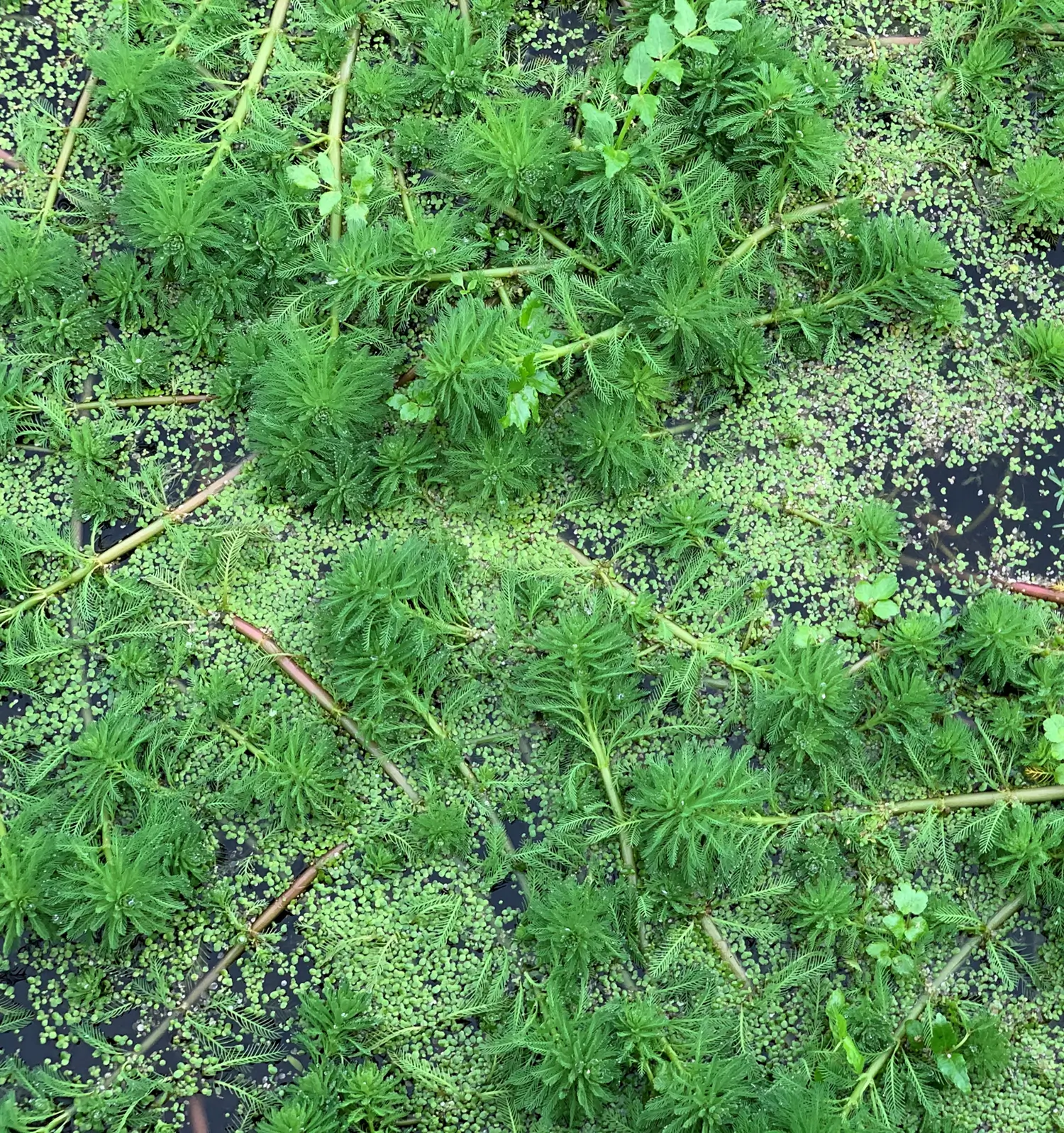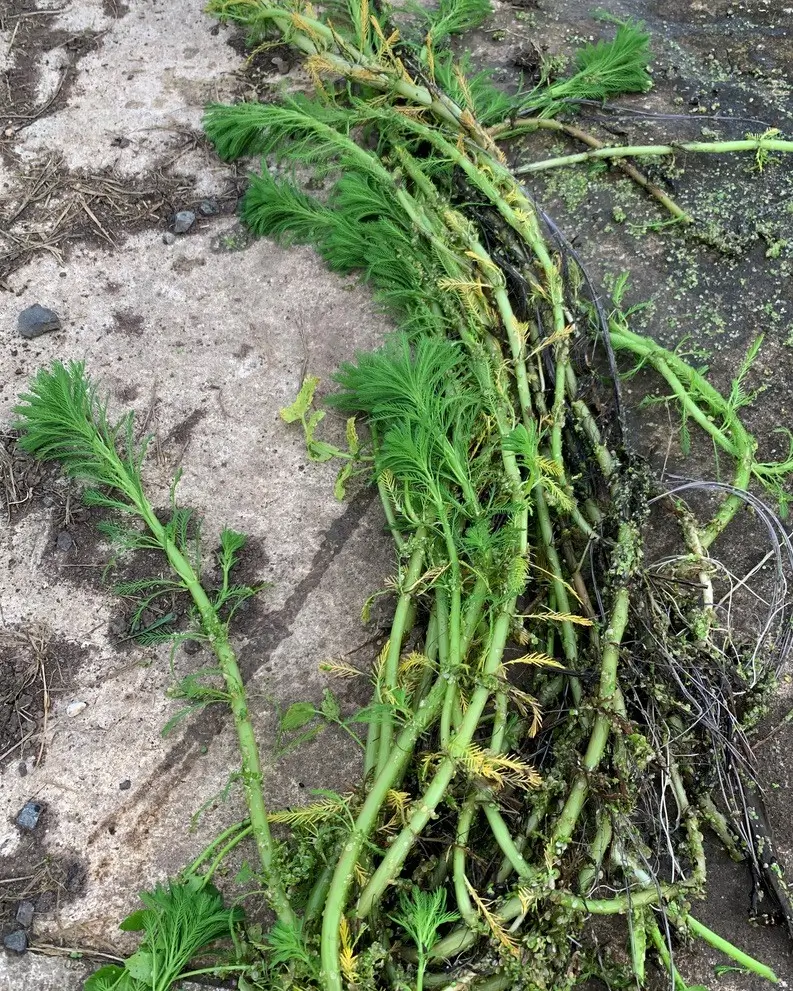
Help slow the spread of invasive species

Non-native invasive species are a serious threat to water management and wetland wildlife in Somerset.
The Somerset Drainage Board Consortium (SDBC) has identified four high- risk aquatic invasive species that, if not contained and controlled, have the greatest potential to impact water management and the environment. These include Floating pennywort and Water primrose, which are both recent arrivals in Somerset and very difficult to control. They grow extremely quickly in summer and can block watercourses and culverts, which can increase flood risk and deprive areas of water. They can also damage aquatic ecology by crowding out native wildlife and depleting oxygen levels in water.
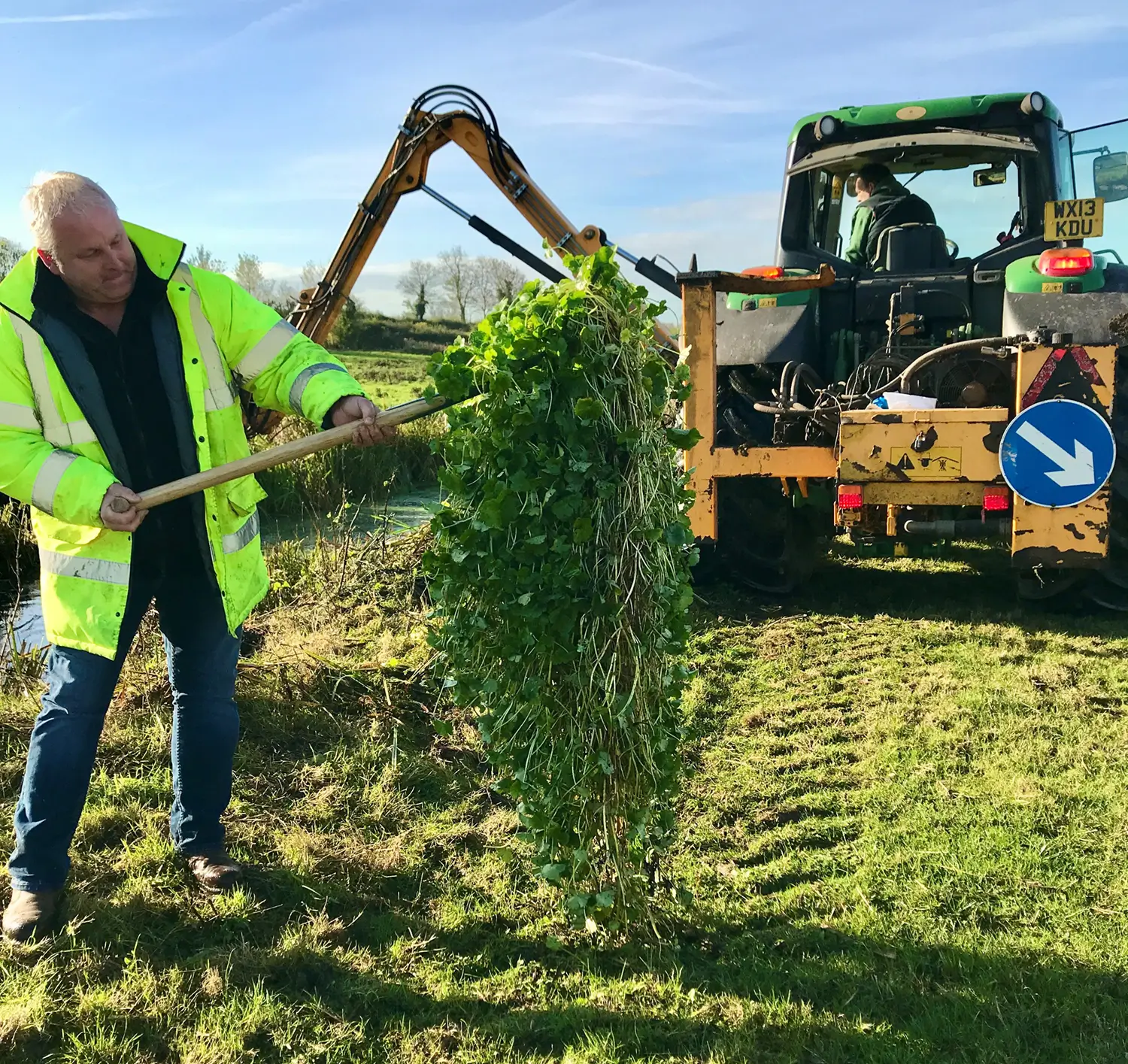
The four high-risk species that are the greatest threat to water management in Somerset are: Floating pennywort, Water primrose, Zebra mussel and Parrots feather.
We can all play a part in slowing the spread of invasive species in Somerset. The most important, first step, is to try to avoid the unintentional spread of invasive species to new locations on machinery, equipment or clothing. Using a simple “Check Clean and Dry” protocol, when moving between watercourses, will dramatically reduce the risk of spreading invasive species. Awareness of the problem and monitoring for the appearance of invasive species is also essential. It is a lot easier to eradicate new outbreaks when they’re spotted quickly. And finally, please do not intentionally translocate or release any plant material from garden ponds into the countryside.
The Drainage Boards are also taking action by adopting a new Biosecurity Policy for all watercourse maintenance operations and preparing an action plan for Floating pennywort control in Somerset with the Environment Agency and Natural England. Floating pennywort is currently our biggest risk and steps are being taken to limit spread and completely remove it from some established locations. Eradication of pennywort is possible, but it will take time and require sustained effort. The involvement of local communities and landowners will also be essential in helping to slow the spread of floating pennywort on the Somerset Levels.
Please contact Philip Brewin (pbrewin@somersetdbs.co.uk) at the SDBC office for more information or to report any possible sightings of these species in your local watercourses.
The top four high-risk aquatic invasive species in Somerset
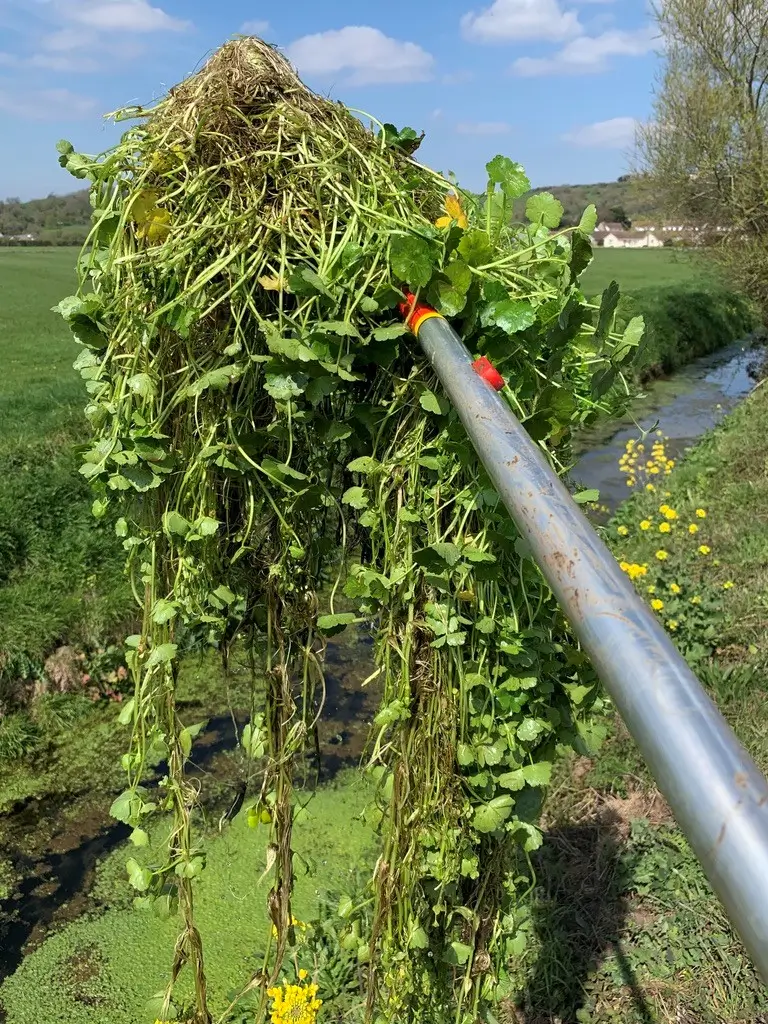
Problem: Causes a range of problems including choking drainage systems and outcompeting native wildlife.
Known locations: Langmead Level, Bleadon, Northmoor, Weston-super-Mare, River Tone, Blind Yeo and Portbury Ditch.
Control: Difficult to control due to rapid growth and ability to spread quickly and overwinter as small fragments. Regular mechanical removal will help prevent complete dominance and reduce water management impacts. Any cut material must to be removed from the water immediately. Hand-pulling and spot spraying, with approved herbicides, can also be effective for small infestations.
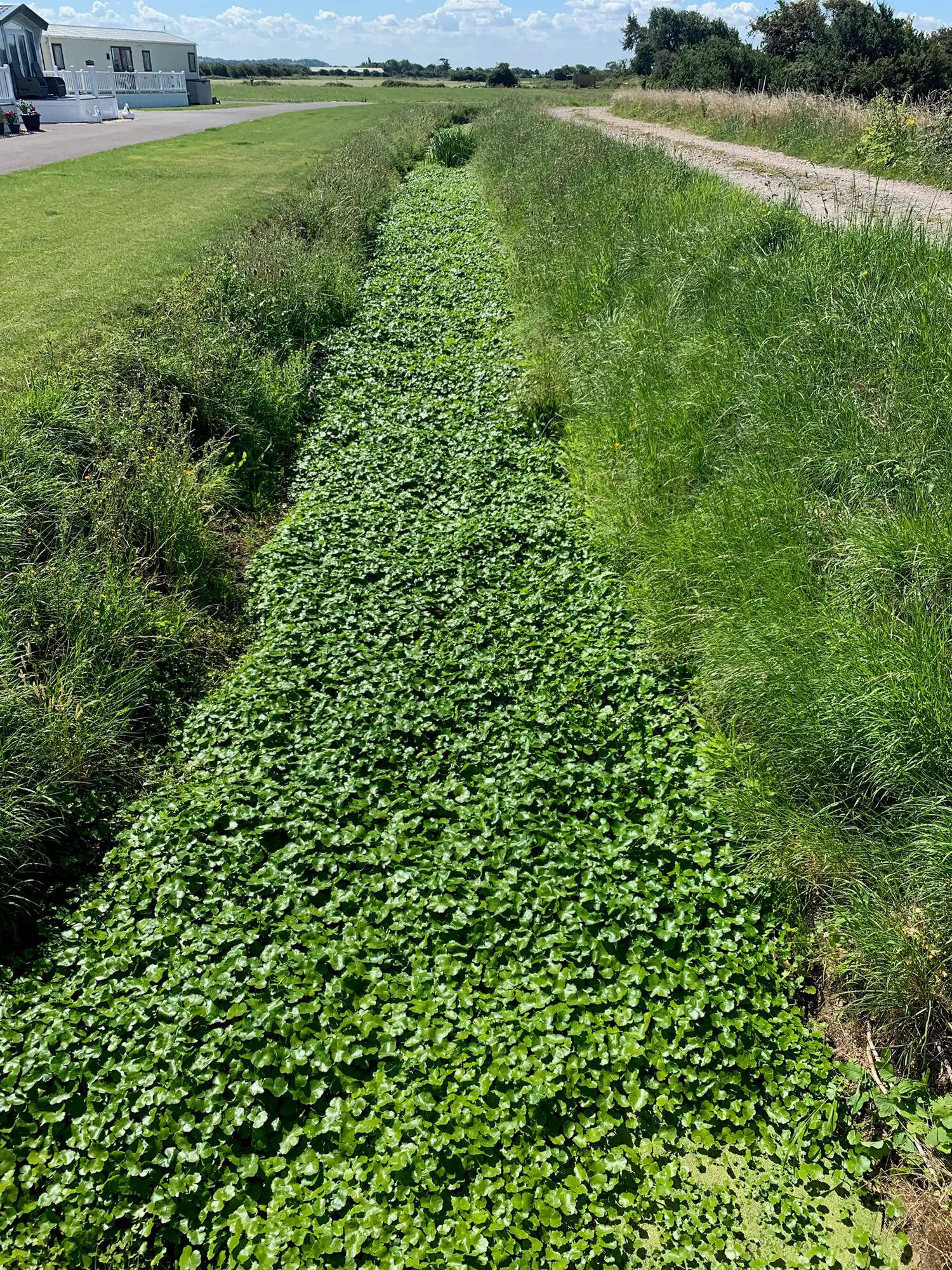
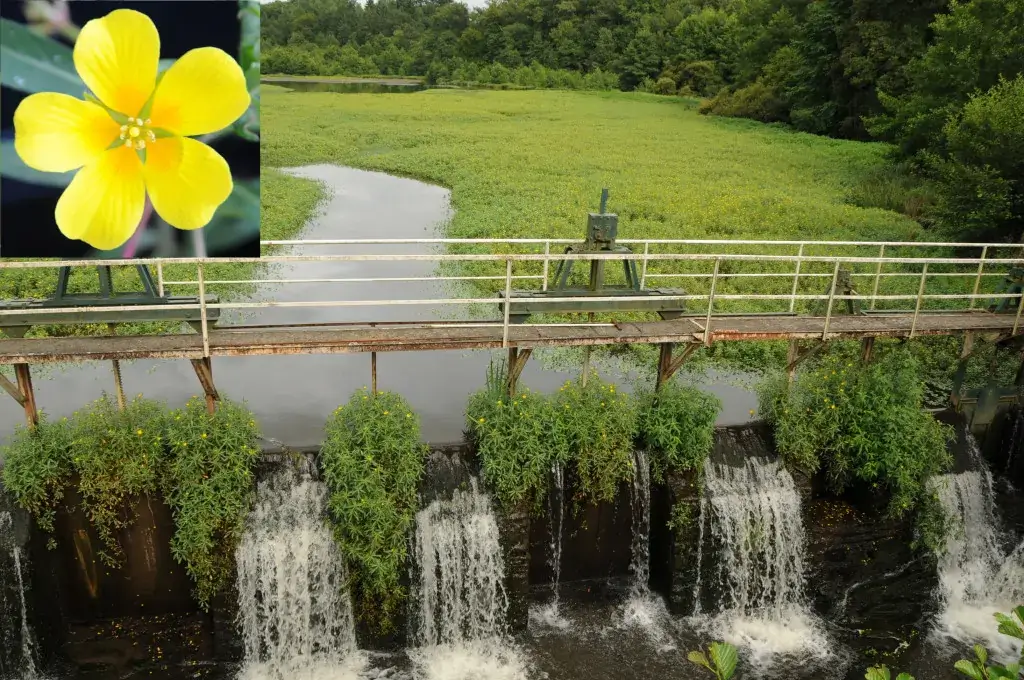
Problem: Can have a devastating effect on aquatic habitats and result in serious impacts on water management. Rampant growth outcompetes native species and clogs waterways. Spread primarily by stem fragments but also by seeds. In the UK, it is a Rapid Response species, meaning all known sites are targeted for immediate control.
Known locations: Pawlett Hams and Dunwear Ponds in Bridgwater.
Control: Almost impossible to eradicate. Spraying with approved herbicides and careful mechanical removal can help reduce water management impacts by weakening the plant and making it grow more slowly.
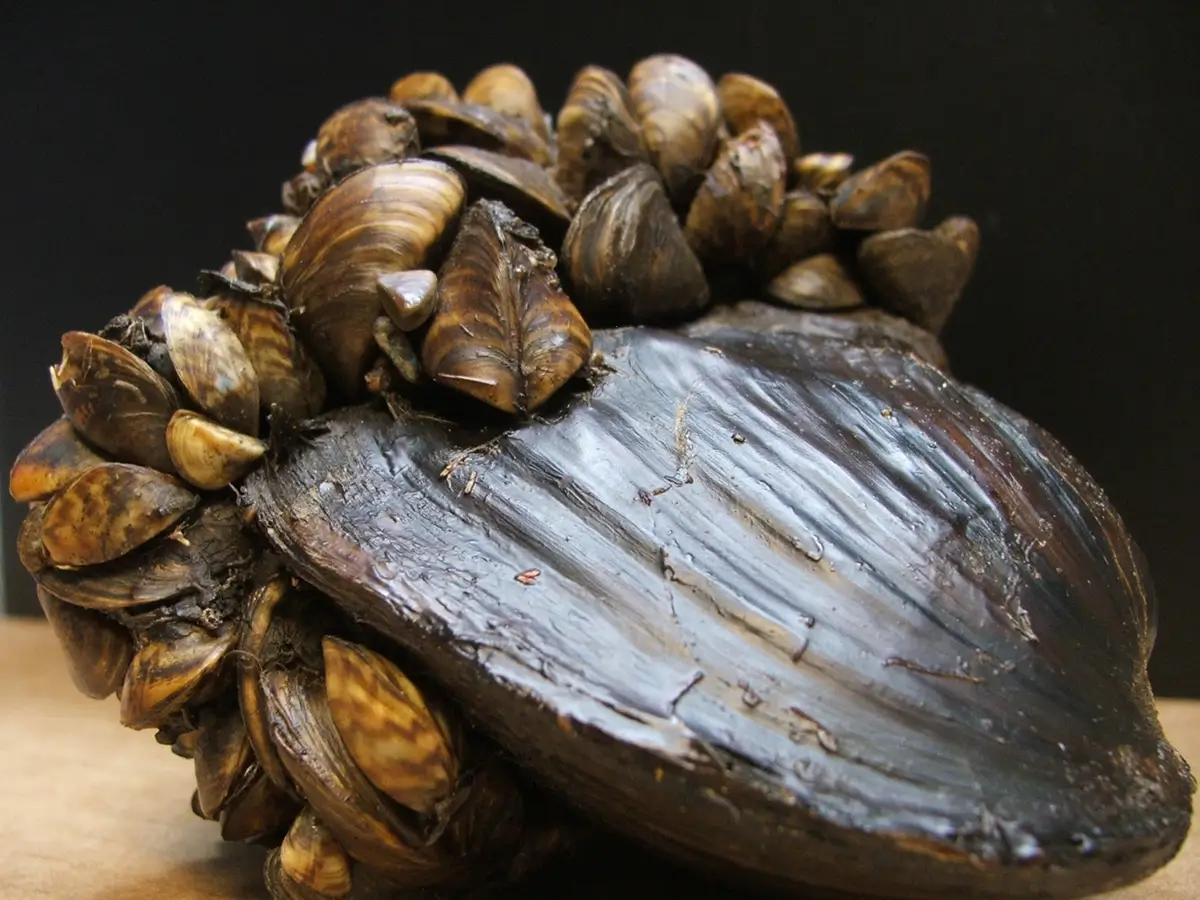
Problem: Zebra mussel are fingernail-sized mollusc that have a distinctive dark, zig- zagged, stripes on the shell. They can block culverts and outcompete native wildlife. They are mostly spread through recreational boating and angling, when the mussels attach themselves to equipment.
Known locations: Huntspill and Cripps Rivers.
Control: Almost impossible to eradicate. The main aim of control is containment and avoidance of spread. Using ‘Check, Clean & Dry’ is most effective and, when working in known locations, cleaning machinery and equipment with hot water is essential.
Problem: Easily spread from small stem fragments and vigorous growth enables it to dominate. Can choke watercourses and outcompete native wildlife. Spreading is assisted by warmer winters, which allow more of the plant to survive into the following year.
Known locations: Aller Moor, Westhay Moor, and Berrow.
Control: Can be eradicated by repeated mechanical removal and hand-pulling of fragments. Spraying with approved herbicides can also help, but this is usually unnecessary if infestations are small and treated quickly.