
Water Levels & Watercourses

The Boards maintain a network of watercourses which are the primary routes by which water is removed from the land and field ditches to the Main Rivers (Environment Agency) in Somerset.
In addition, they may also be the primary routes by which a supply of water is brought to field ditches (Riparian owned) from the main rivers in summer . In many situations the direction of the flow of water in the rhyne or watercourse system may be different in summer to winter.
The Boards’ network of watercourses are grouped into catchments or districts to provide hydrological and operational areas. These catchments or districts are controlled by Board Area Supervisors through the operation of water level control structures.
A watercourse is defined in the Land Drainage Act 1991 as:
Watercourse includes all rivers and streams and all ditches drains, cuts, culverts, dikes, sewers other than public sewers within the meaning of the Water Industry Act 1991 and passages, through which water flows.
Land Drainage Act 1991
The Act does not state that water must flow through the watercourse at all times to be a watercourse.
Water Levels
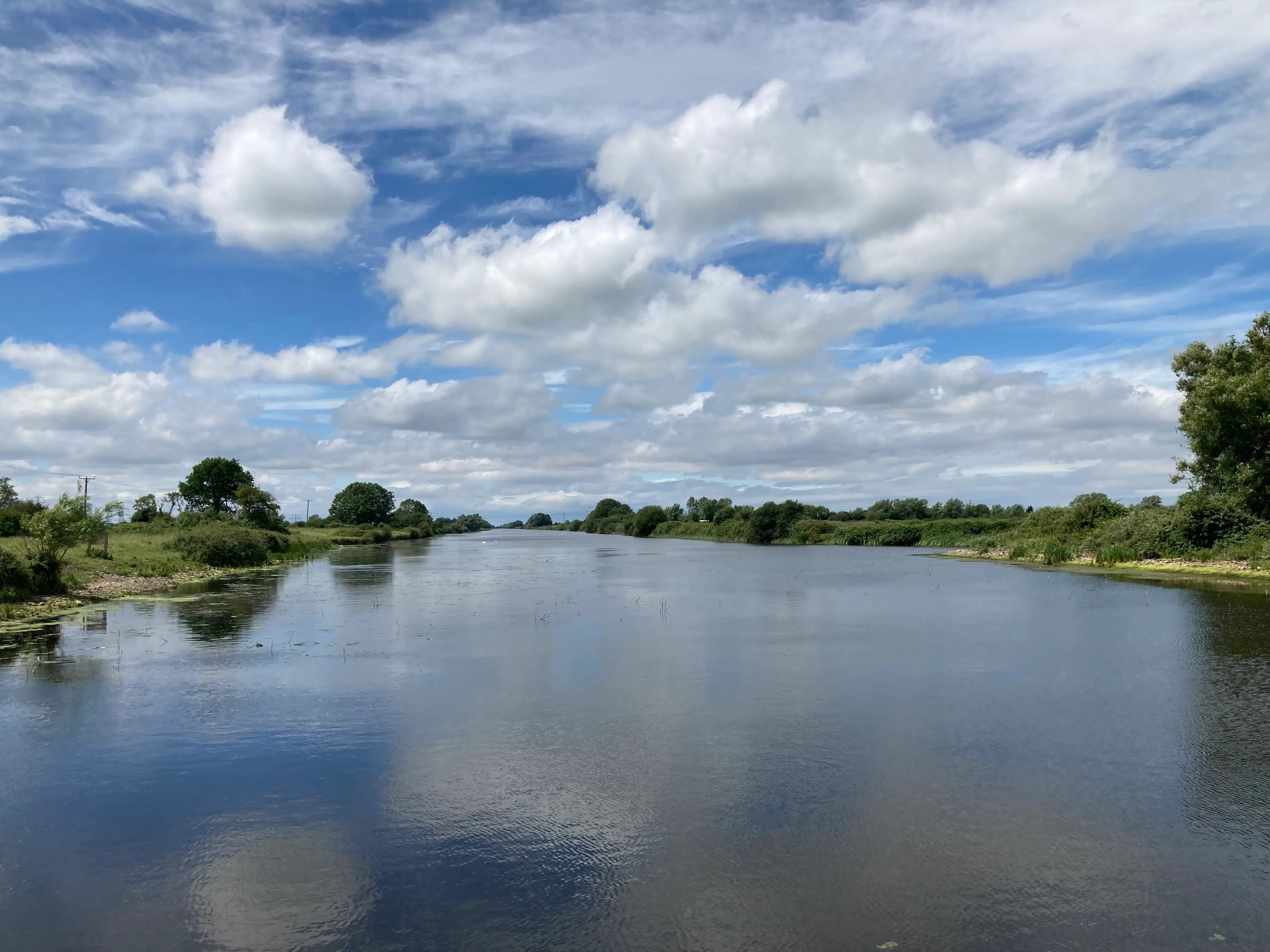
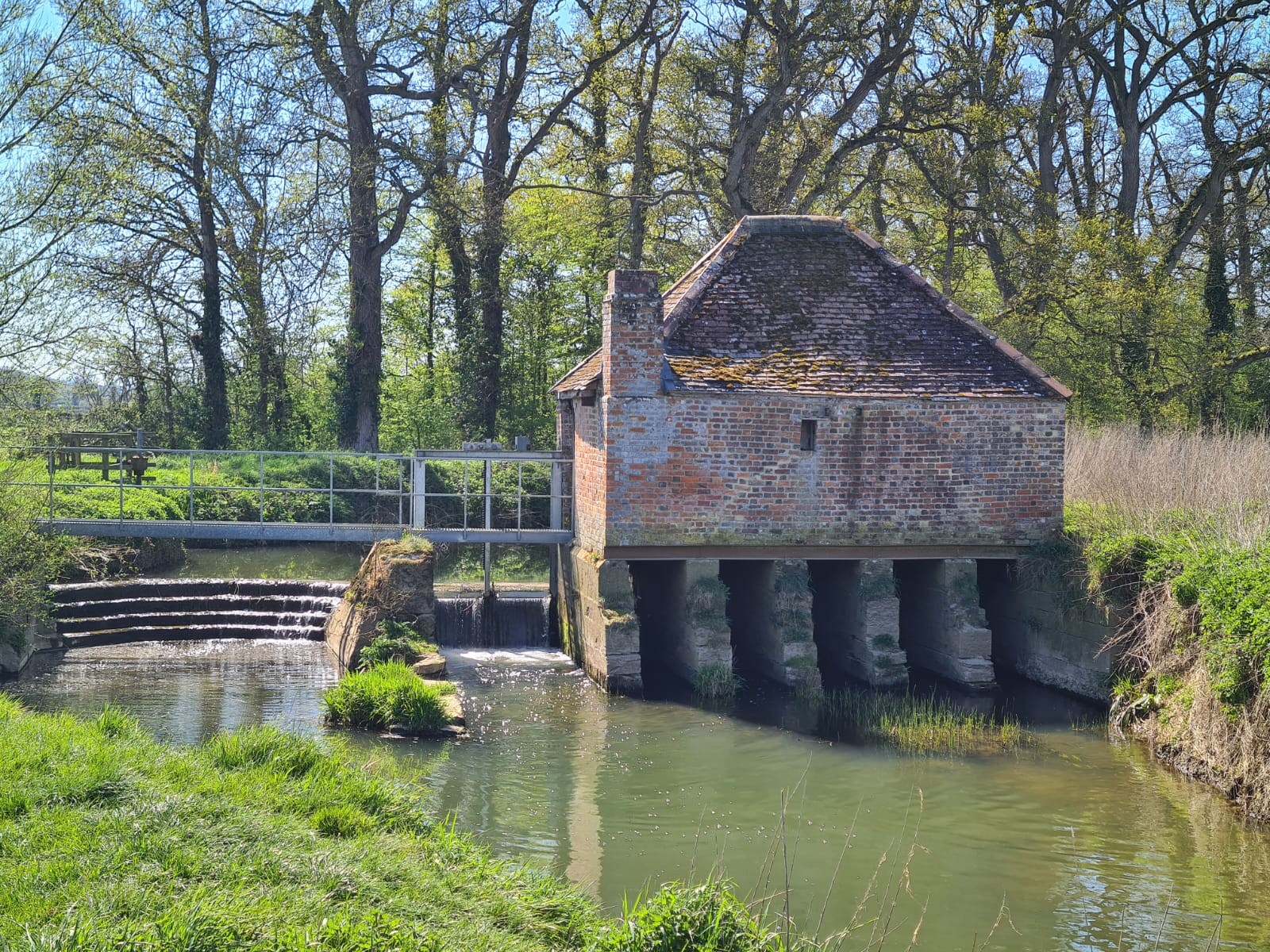
The water levels held in the Board’s rhyne systems and the main rivers are controlled by an extensive system of sluices, structures and pumping stations. Many of the principle structures and pumping stations are owned and operated by the Environment Agency.
The Boards are therefore heavily reliant on the timely operation and maintenance of the Agency’s structures. The Boards themselves operate and maintain an extensive network of minor water control structures, culverts and minor pumping stations that ensure the drainage and irrigation of Local Watercourses meets the needs of that particular land management. These structures are inspected on a regular basis with minor maintenance works being undertaken by the Operations Team and any more complicated repairs are fed into a repair and renewal Programme of Works which is managed and delivered by the Engineering Team.
In many catchments Water Level Management Plans (WLMPs) have been set up and agreed by a number of the bodies or authorities interested in the water level management in an area. These plans seek to achieve a consensus approach to water levels that are needed in an area across all the different interest groups that exist.
Main Rivers
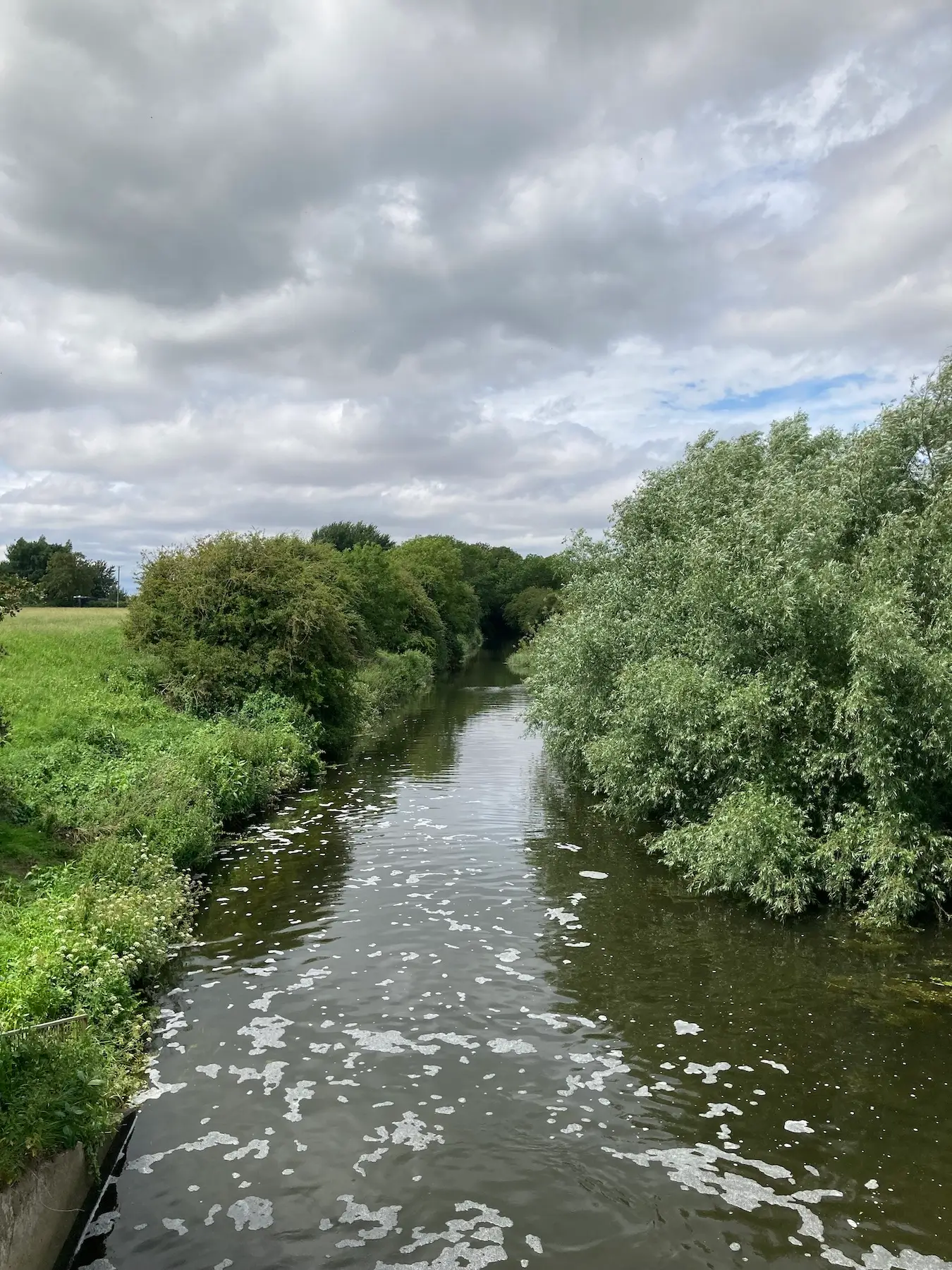
Main Rivers are normally the principle or arterial watercourses in an area and are designated as such on maps held by the Department for Environment, Food and Rural Affairs (Defra) and the Environment Agency.
The term also includes any structures in the bed or bank for controlling or regulating the flow of these watercourses. The Environment Agency has permissive (not mandatory) powers to carry out maintenance and improvement works on Main Rivers.
Any works in or near Main Rivers require the consent of the Environment Agency under either their Byelaws or Section 109 of the Water Resources Act 1991. The Board will be happy to advise you if this applies to a watercourse adjacent to your land.
Ordinary Watercourses
The term Ordinary Watercourse describes all the remaining watercourses that are not Main Rivers. These may include all tributaries, streams, rhynes, ditches and those watercourses that have been culverted or piped.
The Board and Lead Local Flood Authority have certain regulatory powers to control activities on all Ordinary Watercourses. Under Section 23 of the Land Drainage Act 1991, any proposals to construct or alter any mill dam, weir or similar obstruction to flow require consent from the Board. The erection of, or alteration to, a culvert likely to affect the flow also requires consent from the Board. For more information see Land Drainage Consents Page.
The Board has Land Drainage Byelaws, which require persons to obtain the Board’s consent for activities within 9 metres of an ordinary watercourse. Such activities include the erection of fences, the construction of bridges or culverts, the placing of pipes or cables over or under viewed rhynes, tree planting, disposal of rubbish, excavation affecting the bed and banks of viewed rhynes, the erection of jetties or walls, etc.
Visit the Consents page for more information and downloadable copies of the Byelaws. Depending on the size and location of an Ordinary Watercourse the Board may waive its right to consent the works if the impacts of the proposals are insignificant.
The Board has permissive (not mandatory) powers to carry out maintenance and improvement works on Ordinary Watercourses. However, work is normally restricted to the Viewed Rhyne network.
Viewed Rhynes
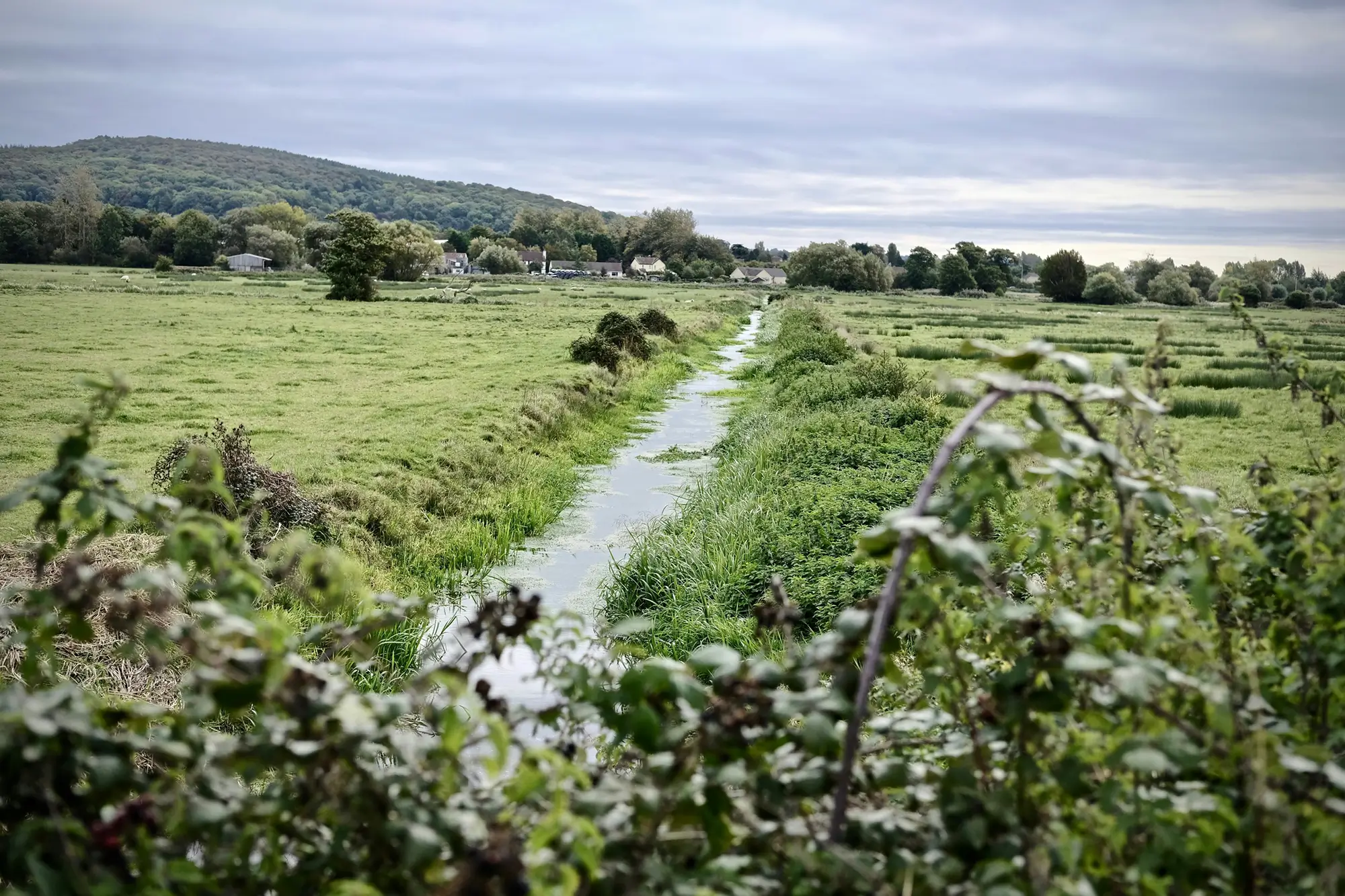
Viewed Rhynes are Ordinary Watercourses (both open or culverted) that undertake a significant function in the drainage or irrigation of an area. Viewed Rhynes are maintained by the Board on a regular or infrequent basis. The Board undertakes its consenting and enforcement powers on all rhynes.
The Board designates watercourses as Viewed Rhynes by Board resolution. Maps showing Viewed Rhynes can be inspected at the Consortium office in Highbridge or by following the link belowI). The term also includes any structures in the bed or banks for controlling or regulating the flow of these watercourses.
The Board has permissive (not mandatory) powers to carry out maintenance and improvement works on Viewed Rhynes.
The work that the Board undertakes on the maintenance of watercourses is done under the legal powers contained within Section 14 & 15 of the Land Drainage Act. We are allowed to enter onto private land to do our work under the legal powers contained within Section 64 of the same Act.
Maintenance of Riparian Watercourses or Private Ditches
If you own land adjoining, above or with a watercourse running through it you have certain rights and responsibilities. In legal terms you are a ‘riparian owner’.
If you rent the land, you should agree with the owner who will manage these rights and responsibilities.
Included within the list of responsibilities is the requirement to keep the banks and bed clear of anything that could cause an obstruction and increased flood risk. You are therefore responsible for maintaining the bed and the banks of the watercourse including the trees, shrubs and all vegetation growing on them. A more complete summary of your rights and responsibilities as a riparian owner is contained within the Environment Agency leaflet ‘Living on the Edge’. This document can be downloaded from the Agency’s website or it may be obtained from the Board’s office in Highbridge.
Across Somerset and North Somerset the drainage boards and the Environment Agency maintain some but not all of the watercourses in the Somerset Levels and Moors and for the system to function properly all riparian owners must play their part by undertaking watercourse maintenance.
Drainage Boards have a duty in law to exercise a general supervision over all matters relating to the drainage of land in its area as well as the powers to act and ensure that watercourses are not impeded or obstructed.
Where a riparian owner has failed to undertake the necessary maintenance of a watercourse or its vegetation then the Board will, by Notice (under the Land Drainage Act 1991 Section 25 or the Boards Byelaws under Section 66), require the work to be undertaken. The riparian owner is normally given a minimum of 28 days to do the work.
Guidance on specifications or techniques for watercourse maintenance work can be obtained from Board Officers.
Natural England can provide specialist conservation advice on watercourse maintenance within Site of Special Scientific Interest (SSSI) and you should consult Natural England before carrying out non-routine maintenance operations within SSSIs and where protected species like badgers, otters or water voles could be affected.
Where the removal of a hedge is required to carry out watercourse maintenance, then you should consult the local authority (Somerset Council or North Somerset Council) to make sure the works are acceptable under the Hedgerows Regulations 1997.